Navigate India's Roads Safely: The Complete Tyre Size Selection Guide for Indian Car Owners
You're driving your Maruti Swift through Mumbai's notorious pothole-filled streets during monsoon season when suddenly you hit a hidden crater. Your tyres absorb the impact, but you realize they're nearly worn out. Then comes Delhi's scorching summer heat, and you notice your Hyundai Creta's tyres feeling softer than usual. These common scenarios highlight why choosing the right tyre size isn't just about comfort—it's about safety, fuel efficiency, and longevity on Indian roads.
Why This Matters for Indian Roads
India's diverse climate and road conditions demand tyre selection that goes beyond basic specifications. Mumbai's monsoons create waterlogged streets where proper tyre size ensures better water displacement and grip. Delhi's intense summer heat can cause tyre degradation and pressure fluctuations that incorrect sizing amplifies. Bangalore's unpredictable rain combined with pothole-ridden highways requires tyres that handle varied conditions. Additionally, Indian traffic patterns—from crowded city lanes to long highway stretches—mean your tyres must balance responsiveness, durability, and fuel economy.
Choosing the wrong tyre size affects your car's speedometer accuracy, fuel consumption, suspension performance, and most critically, your safety. The right size ensures proper contact with the road, optimal braking distance, and even distribution of vehicle weight across all four contact points.
Top Recommendations
| Brand | Model | Price (INR) | Best For | Rating |
|---|---|---|---|---|
| MRF Zapper | 185/65 R15 | ₹4,200-4,800 | Budget-conscious buyers, city driving | 4.2/5 |
| Apollo Amazer | 185/65 R15 | ₹4,500-5,100 | Monsoon performance, Indian roads | 4.4/5 |
| CEAT SecureClad | 185/65 R15 | ₹4,800-5,500 | All-weather performance, durability | 4.3/5 |
| Bridgestone Turanza | 195/65 R15 | ₹6,200-7,000 | Premium comfort, highway driving | 4.6/5 |
| MRF Revlon | 195/55 R15 | ₹5,100-5,900 | SUV owners, rough terrain handling | 4.1/5 |
What to Look For
1. Understanding the Tyre Size Code
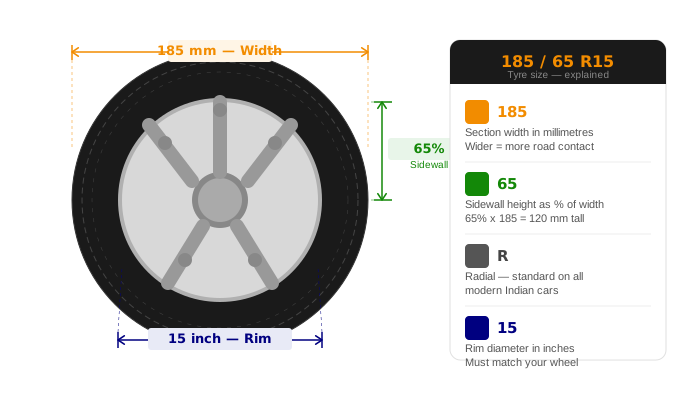
Your car's manufacturer-recommended tyre size is printed on the driver's door jamb or fuel door. It appears as three numbers (like 185/65 R15). The first number (185) is tyre width in millimetres, the second (65) is aspect ratio (sidewall height as percentage of width), and the last (15) is wheel diameter in inches. Never deviate from manufacturer specifications, as this affects speedometer accuracy and suspension geometry.
2. Load Index and Speed Rating
These determine how much weight your tyre can carry and the maximum speed it can handle safely. For a Tata Nexon, your tyres must support the vehicle's weight plus passengers and cargo. Indian heat accelerates tyre degradation, so choosing tyres with appropriate load ratings prevents premature wear and blowouts during highway driving in summer months.
3. Tread Pattern and Wet Grip
Indian roads demand superior water displacement during monsoons. Tyres with deeper, more complex tread patterns (like Apollo Amazer) provide better grip on wet surfaces and reduce hydroplaning risks. Additionally, look for ARAI or international certification marks indicating the tyre meets Indian road safety standards and weather performance requirements.
Our Verdict
For most Indian car owners, Apollo Amazer or CEAT SecureClad in the 185/65 R15 size offer the best balance of cost-effectiveness, durability, and performance across India's varied climates. If you drive a Hyundai Creta or similar SUV regularly on highways, invest in Bridgestone Turanza for superior comfort and longevity. Always verify your car's exact tyre specification before purchasing, and rotate tyres every 10,000 kilometers to ensure even wear.
FAQ
Q: Can I use a different tyre size than what's recommended?
A: Using non-recommended sizes affects fuel efficiency, speedometer accuracy, and suspension performance—always stick to manufacturer specifications listed in your car's manual.
Q: How often should I check tyre pressure in Indian heat?
A: Check monthly during winter and every two weeks during summer, as heat increases pressure by 2-3 PSI, affecting safety and fuel consumption.
Q: Are expensive tyres always better for Indian roads?
A: Not necessarily; mid-range Indian brands like Apollo and CEAT are specifically designed for Indian climates and offer better value than premium imports.
Compare and buy at tyre24.in