Navigate India's Roads Safely: Your Complete Guide to Choosing the Right Tyre Size
Picture this: You're driving your Maruti Swift through Mumbai's notorious pothole-riddled streets, and you suddenly realize your tyres are making an odd noise. You pull over, only to discover that the tyres fitted aren't the right size for your vehicle. Sound familiar? Many Indian car owners overlook one of the most critical safety decisions—selecting the correct tyre size. Whether you're battling Delhi's scorching heat, Bangalore's monsoon downpours, or navigating the endless potholes of Indian highways, choosing the right tyre size directly impacts your car's safety, fuel efficiency, and longevity.
Why This Matters for Indian Roads
India's diverse climate and road conditions demand careful tyre selection. The intense summer heat in Delhi and Mumbai can increase tyre pressure dangerously, while monsoon rains in Bangalore demand superior water drainage and grip. Potholes across Indian cities put tremendous stress on tyres, requiring proper sizing to absorb impact effectively. Incorrectly sized tyres can cause premature wear, poor fuel economy, and compromised handling—especially critical when driving through traffic-congested Indian cities or long highway stretches. Using the right tyre size ensures your vehicle sits at the correct height, maintains proper speedometer accuracy, and delivers optimal performance across India's challenging driving conditions.
Top Recommendations
| Brand | Model | Price (INR) | Best For | Rating |
|---|---|---|---|---|
| MRF | ZLX 185/65 R15 | 4,200-4,500 | Maruti Swift, entry-level sedans | 4.5/5 |
| Apollo | Amazer 4G 185/65 R15 | 3,800-4,100 | Budget-conscious buyers, all-weather use | 4.3/5 |
| CEAT | SecureC 195/65 R15 | 4,600-4,900 | Hyundai Creta, mid-segment SUVs | 4.6/5 |
| Bridgestone | Turanza T005A 205/55 R16 | 6,500-7,200 | Premium sedans, city-focused driving | 4.7/5 |
| Goodyear | Assurance TripleMax 185/70 R14 | 4,400-4,800 | Tata Nexon, compact SUVs | 4.4/5 |
What to Look For
1. Check Your Vehicle's Tyre Specification
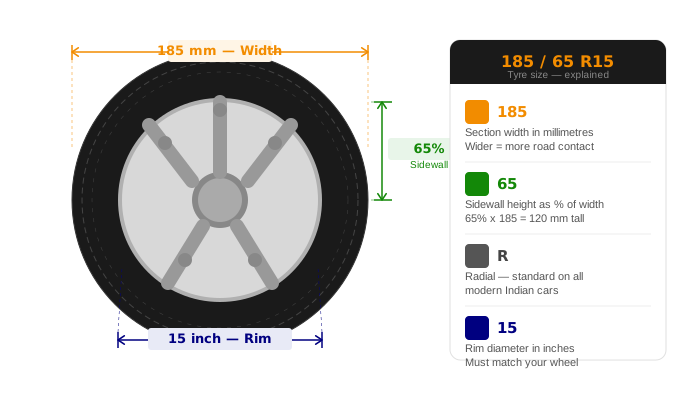
Never guess your car's tyre size. Open your car's driver-side door jamb or check your vehicle's manual for the exact specification (typically shown as 185/65 R15). This three-part code indicates width, aspect ratio, and wheel diameter. Using a different size can affect speedometer accuracy and vehicle handling, especially crucial when navigating Mumbai's chaotic traffic or Bangalore's winding roads.
2. Consider India's Climate Demands
India's extreme temperatures require careful selection. Summer-focused tyres suit Delhi's heat but may harden in winter, while all-weather options like MRF ZLX and CEAT SecureC handle monsoons in Bangalore and Kerala effectively. Monsoon tyres feature deeper treads for water drainage—non-negotiable for safe driving during India's rainy season.
3. Evaluate Your Driving Patterns
City drivers (Delhi, Mumbai, Bangalore) need tyres with better grip and shorter braking distances to handle traffic and potholes. Highway drivers should prioritize durability and fuel efficiency. Budget-conscious buyers can opt for Apollo Amazer, while those seeking premium quality should consider Bridgestone's offerings. Your Hyundai Creta or Tata Nexon will perform better with tyres matched to your actual driving conditions.
Our Verdict
For most Indian car owners, CEAT SecureC tyres offer the best balance of quality, affordability (₹4,600-4,900), and all-weather performance. They handle monsoon rain, summer heat, and pothole impacts effectively. However, if you're budget-limited, Apollo Amazer 4G provides excellent value at ₹3,800-4,100. Premium buyers should invest in Bridgestone for superior longevity and safety.
FAQ
Q: How do I read my car's tyre size?
A: Your car's tyre size is printed on the sidewall and listed in your vehicle's manual. For a Maruti Swift, it's typically 185/65 R15—don't change these numbers without consulting a mechanic.
Q: Can I use a different tyre size than recommended?
A: No, using different sizes affects speedometer accuracy, fuel efficiency, and handling. Always stick to your vehicle manufacturer's specification.
Q: How often should Indian drivers replace tyres?
A: Replace tyres every 3-5 years or when tread depth reaches 1.6mm, whichever comes first. India's harsh conditions often necessitate earlier replacement.
Compare and buy at tyre24.in